Exploring Cement Wall Texture: A Versatile and Distinct Design Element
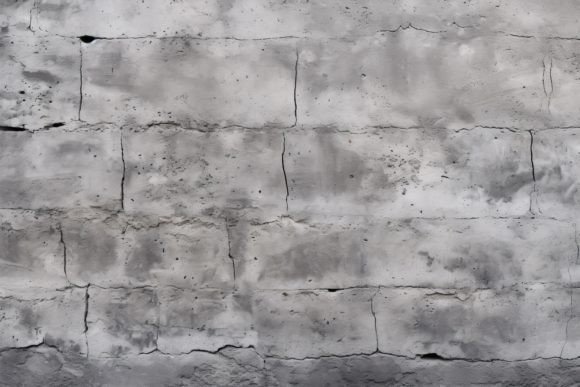
Cement wall texture is a unique and versatile design element that brings a raw, industrial, and sometimes rustic feel to various creative projects. This texture is characterized by its rough, uneven surface, which mimics the natural look of exposed concrete. The distinct appearance of cement wall texture makes it a popular choice for designers, crafters, and DIY enthusiasts looking to add an authentic, rugged touch to their work.
Understanding Cement Wall Texture
Cement wall texture is created by capturing the detailed, imperfect surface of a cement wall. This texture often features subtle variations in color, small cracks, and a grainy finish, all of which contribute to its realistic and appealing aesthetic. The high-resolution JPG file, with a resolution of 3000x2000 pixels and 300 DPI, ensures that the texture is crisp and clear, making it suitable for both digital and print applications.
Comparing Cement Wall Texture with Other Textures
When comparing cement wall texture to other similar textures, such as brick, wood, or stone, each has its own unique characteristics and uses. For instance, brick textures are more uniform and can add a classic, timeless feel, while wood textures bring warmth and a natural, organic look. Stone textures, on the other hand, offer a more refined and elegant appearance. However, cement wall texture stands out for its modern, edgy, and somewhat minimalist appeal.
- Brick Texture: More traditional and uniform, ideal for creating a classic, rustic ambiance.
- Wood Texture: Adds warmth and a natural, organic feel, perfect for cozy and inviting designs.
- Stone Texture: Refined and elegant, suitable for sophisticated and high-end projects.
Each texture has its strengths, and the choice depends on the specific project and the desired aesthetic. Cement wall texture, with its contemporary and slightly rough look, is particularly well-suited for modern and urban-themed designs.
Strengths and Tradeoffs of Cement Wall Texture
The primary strength of cement wall texture lies in its versatility and ability to add a modern, industrial touch to a wide range of projects. It is highly effective for creating a sense of authenticity and rawness, which can be very appealing in certain contexts. Additionally, the high-resolution and high-DPI nature of the texture make it suitable for both digital and print applications, ensuring that the quality remains consistent across different mediums.
However, there are also some tradeoffs to consider. For example, the rough and uneven surface of cement wall texture may not be ideal for projects that require a smooth, clean, or polished look. In such cases, smoother textures like marble or glass might be more appropriate. Additionally, the neutral, grayish tone of cement wall texture may not provide the same level of visual interest as more vibrant or colorful textures.
Best-Fit Situations for Cement Wall Texture
Cement wall texture is an excellent choice for a variety of creative and practical applications. Here are some scenarios where it shines:
- Old Decoration: Perfect for adding a vintage, worn-out look to walls, furniture, and decorative items.
- Crafting Projects: Ideal for creating handmade items with a modern, industrial flair, such as picture frames, coasters, and planters.
- Journals and Cards: Adds a unique, tactile element to journal covers, greeting cards, and scrapbook pages.
- Texture for 3D Models: Enhances the realism of 3D models, especially those used in architectural and interior design visualizations.
- Wrapping and Packaging: Provides a distinctive, rugged look for gift wrapping, packaging, and product labels.
- Clipping Masks on Text Shapes: Creates visually interesting and dynamic text effects, perfect for branding and graphic design.
- Printing and Blog Backgrounds: Adds a modern, industrial touch to printed materials and blog backgrounds, enhancing the overall aesthetic.
- Papercraft and Scrapbooking Backgrounds: Offers a unique and versatile background for papercraft projects and scrapbooking layouts.
- Vintage Wall Stickers: Ideal for creating wall decals and stickers with a retro, industrial vibe.
Limitations and Decision Factors
While cement wall texture is a versatile and attractive option, it may not be the best choice for every project. Some limitations to consider include:
- Smoothness: If your project requires a smooth, polished surface, cement wall texture may not be the best fit. Textures like marble or glass might be more appropriate.
- Color Palette: The neutral, grayish tone of cement wall texture may not provide the same level of visual interest as more vibrant or colorful textures. Consider using it in combination with other colors and elements to create a balanced look.
- Formal Settings: For formal or high-end projects, the rough, industrial look of cement wall texture may not be suitable. In such cases, more refined textures like stone or wood might be more appropriate.
When deciding whether to use cement wall texture, consider the overall aesthetic and purpose of your project. If you are aiming for a modern, industrial, or vintage look, cement wall texture is a great choice. However, if your project requires a more polished, formal, or colorful appearance, you may need to explore other options.
Conclusion: Making an Informed Decision
Cement wall texture is a versatile and distinctive design element that can add a modern, industrial, and authentic touch to a wide range of creative and practical projects. Its high-resolution and high-DPI nature make it suitable for both digital and print applications, ensuring consistent quality. While it may not be the best fit for every project, understanding its strengths, tradeoffs, and best-fit situations can help you make a more informed decision. Whether you are working on old decoration, crafting projects, or designing 3D models, cement wall texture offers a unique and appealing option that can enhance the overall aesthetic of your work.