Exploring the Versatility of Glass Texture for Creative Projects
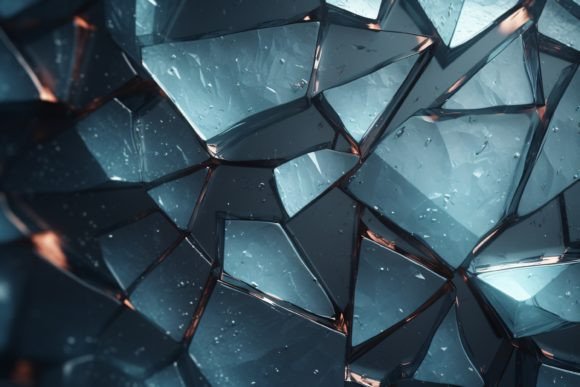
Glass texture is a versatile and visually appealing design element that can add a unique touch to a wide range of creative projects. Whether you're a designer, crafter, or content creator, incorporating glass texture into your work can elevate its aesthetic and make it stand out. This high-resolution 3000x2000 px, 300 DPI, RGB color JPG file is perfect for various applications, from wallpaper and crafting projects to 3D models and web banners.
Understanding Glass Texture: What It Is and Why It Matters
Glass texture refers to the visual and tactile qualities of glass, which can range from smooth and clear to rough and frosted. This texture can be used creatively in digital and physical designs to add depth, interest, and a touch of elegance. The versatility of glass texture makes it a popular choice for both professional and personal projects.
Avoiding Common Mistakes with Glass Texture
While glass texture offers numerous benefits, there are some common mistakes that can detract from the overall quality and effectiveness of your project. Here are some key areas to watch out for:
- Choosing the Wrong Resolution: One of the most common mistakes is using a low-resolution image, which can result in a blurry and unprofessional look. Always ensure that the glass texture you choose is high resolution, such as 3000x2000 px at 300 DPI, to maintain clarity and detail.
- Ignoring Color Modes: Another mistake is not considering the color mode of the texture. For digital use, an RGB color mode is ideal, while CMYK is better for print. Using the wrong color mode can lead to color discrepancies and poor print quality.
- Misusing the Texture: Applying glass texture in a way that doesn't complement the overall design can make it look out of place. Consider the context and purpose of your project to ensure the texture enhances rather than overwhelms the design.
Practical Advice for Using Glass Texture Effectively
To get the most out of glass texture, follow these practical tips:
- Check the Resolution and Size: Before downloading or purchasing a glass texture, always check the resolution and size. A high-resolution image (3000x2000 px at 300 DPI) will ensure that the texture looks sharp and detailed in your project.
- Consider the Color Mode: Make sure the glass texture is in the correct color mode for your intended use. RGB is suitable for digital projects, while CMYK is better for print. This will help you avoid color inconsistencies and ensure the best possible output.
- Test the Texture in Different Contexts: Before finalizing your design, test the glass texture in different contexts to see how it fits. This will help you determine if the texture complements the overall design and meets your creative vision.
Realistic Examples and Better Approaches
Let's look at some realistic examples of how glass texture can be used effectively:
- Wallpaper Design: Use a high-resolution glass texture as a background for a modern and elegant wallpaper. The reflective and translucent properties of glass can create a sophisticated and luxurious feel.
- Web Banners: Incorporate glass texture into web banners to add a unique and eye-catching element. The texture can draw attention and make the banner stand out, enhancing the overall user experience.
- Scrapbooking: Add a touch of elegance to your scrapbooking projects by using glass texture. The texture can provide a subtle yet impactful backdrop for photos and other elements, making the pages more visually appealing.
By following these tips and avoiding common pitfalls, you can make the most of glass texture in your creative projects. Whether you're designing a website, creating a scrapbook, or working on a 3D model, the right glass texture can add a professional and polished touch to your work.