Strategic Use of Rusty Metal Texture for Enhanced Creativity and Branding
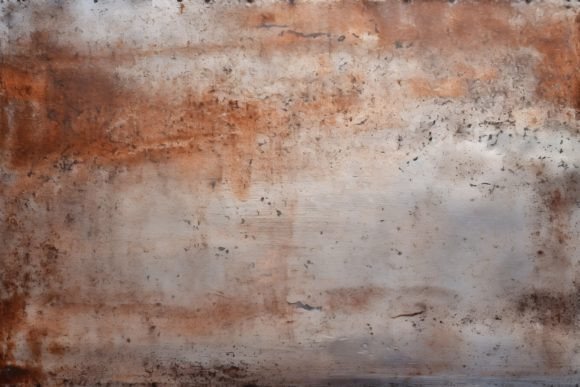
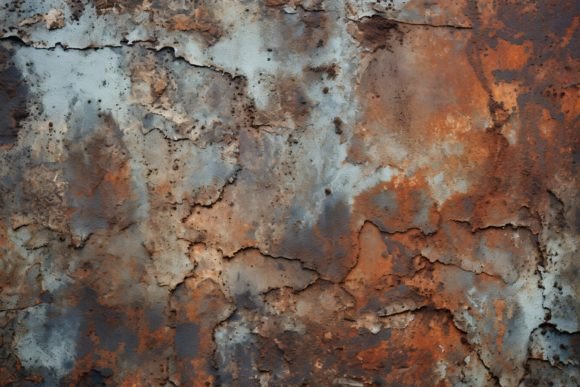
Rusty Metal Texture is a versatile and visually striking design element that can significantly enhance the aesthetic appeal of various projects. This high-resolution texture, with its detailed and authentic appearance, is perfect for adding a touch of vintage and industrial charm to your creative endeavors. Whether you are an entrepreneur, marketer, or hobbyist, the thoughtful use of Rusty Metal Texture can support your goals and elevate your brand.
Understanding the Value of Rusty Metal Texture
Rusty Metal Texture is not just a decorative element; it's a strategic tool that can help you achieve better results in your projects. The texture's high resolution (3000x2000 px) and 300 DPI make it ideal for both digital and print applications. The RGB color format ensures vibrant and true-to-life colors, making it suitable for a wide range of uses.
When and How to Use Rusty Metal Texture
Deciding when and how to use Rusty Metal Texture is crucial for achieving the desired impact. Here are some practical scenarios where this texture can be particularly effective:
- Old Decoration and Crafting Projects: Incorporate Rusty Metal Texture into DIY projects and home decor to create a rustic, vintage look. This can add character and depth to your space.
- Journals and Cards: Use the texture as a background for handmade journals and greeting cards. This adds a unique and personal touch, making your creations stand out.
- Texture for 3D Models: Apply Rusty Metal Texture to 3D models to give them a realistic, weathered appearance. This is especially useful for creating detailed and lifelike environments in video games and architectural visualizations.
- Wrapping and Packaging: Utilize the texture for custom wrapping paper and packaging designs. This can help in creating a memorable unboxing experience and enhancing your brand's visual identity.
- Clipping Masks on Text Shapes: Integrate Rusty Metal Texture as a clipping mask on text to add a rugged, industrial feel to your typography. This is particularly effective for branding and marketing materials.
- Printing and Blog Backgrounds: Use the texture as a background for printed materials and blog pages. This can help in establishing a consistent and visually appealing theme across your content.
- Papercraft and Scrapbooking Backgrounds: Incorporate the texture into papercraft and scrapbooking projects to add a layer of authenticity and nostalgia.
- Vintage Wall Stickers: Create custom wall stickers using Rusty Metal Texture to add a unique and artistic touch to any room.
Strategic Considerations for Using Rusty Metal Texture
While Rusty Metal Texture offers numerous benefits, it's important to approach its use strategically. Here are some key considerations to keep in mind:
- Define Your Goals: Clearly define what you want to achieve with the texture. Are you aiming to create a vintage look, add a rugged feel, or simply enhance the visual appeal? Understanding your goals will guide your design decisions.
- Consider the Context: Think about the context in which the texture will be used. For example, a rustic, industrial look may be more appropriate for a modern, edgy brand, while a more refined, clean look might be better for a traditional, elegant brand.
- Balance and Consistency: Ensure that the use of Rusty Metal Texture is balanced and consistent with your overall design. Overuse can make your project look cluttered and unprofessional.
- Test and Iterate: Test the texture in different contexts and gather feedback. Iterative refinement will help you achieve the best possible results.
Potential Risks and Pitfalls
Using Rusty Metal Texture without clear goals or context can lead to several risks:
- Misalignment with Brand Identity: If the texture does not align with your brand's identity, it can confuse your audience and dilute your message.
- Overuse and Clutter: Excessive use of the texture can overwhelm the design, making it difficult for the viewer to focus on the key elements.
- Inconsistent Application: Inconsistent use of the texture can make your project look unprofessional and disjointed.
Conclusion: Leveraging Rusty Metal Texture for Long-Term Success
Rusty Metal Texture is a powerful and versatile design element that, when used thoughtfully, can significantly enhance the visual appeal and effectiveness of your projects. By defining your goals, considering the context, and maintaining balance and consistency, you can leverage this texture to support your brand, improve customer experience, and achieve long-term success. Remember, the key is to use it intentionally and strategically, rather than randomly, to ensure that it adds value and enhances the overall quality of your work.